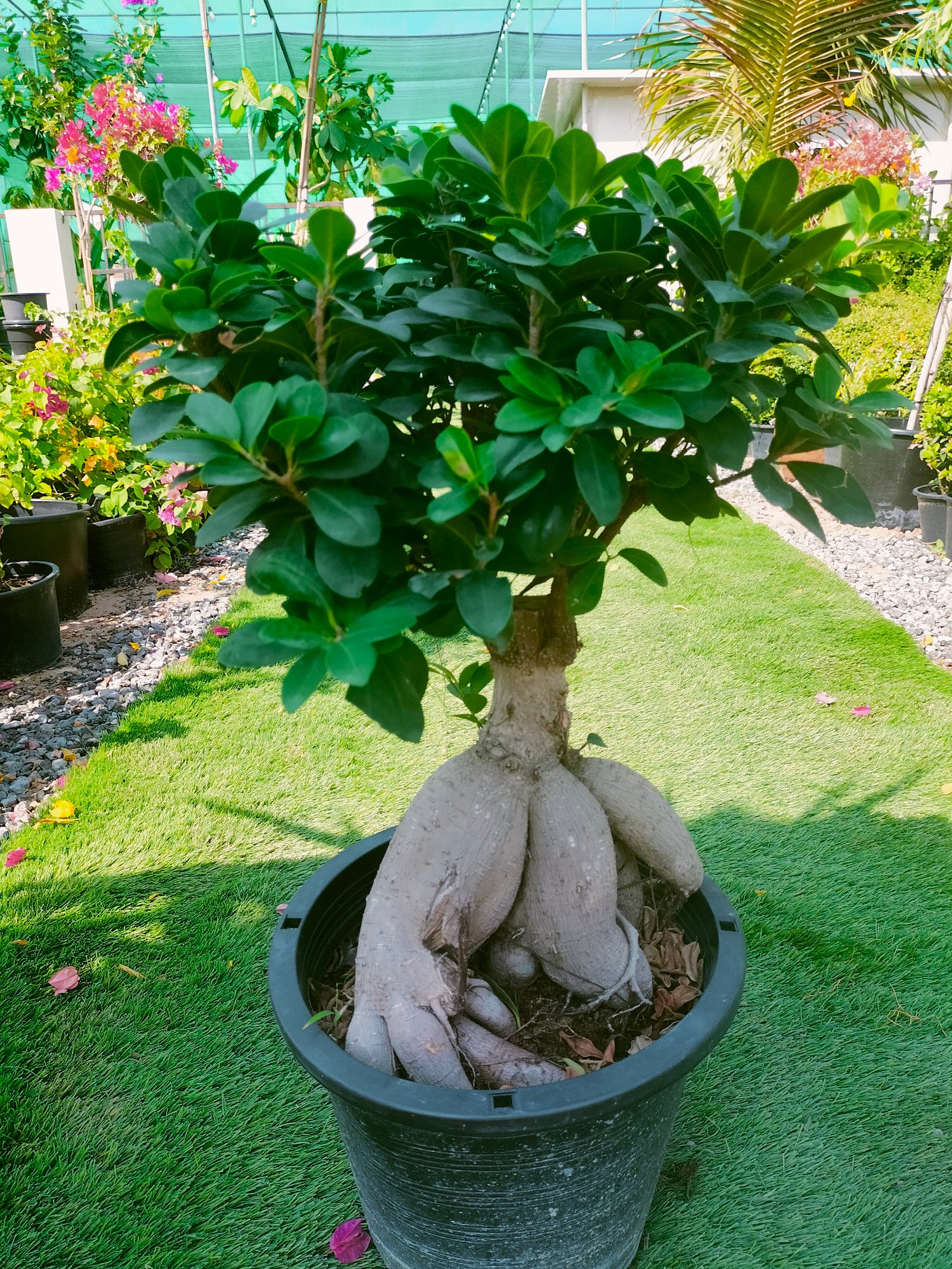
🌿Calamansi Citrofortunella Microcarpa

90 - 245 AED

The Calamansi (Citrofortunella microcarpa), also known as the Philippine lime or Calamondin, is a small citrus tree highly prized for its ornamental beauty, fragrant blossoms, and edible fruits. Native to Southeast Asia, this compact evergreen tree produces clusters of small, round, green-to-orange fruits with a tangy, refreshing flavor that is a cross between lime and mandarin. Widely used in cooking, beverages, marinades, and condiments, Calamansi is a staple in tropical households and kitchens. Its glossy, dark-green foliage, fragrant white flowers, and vibrant fruits make it not only a functional plant but also a decorative addition to homes, patios, and gardens. The Calamansi thrives in full sun and well-drained soil, making it suitable for container growing as well as outdoor landscaping. In addition to its culinary uses, the fruit is rich in Vitamin C and antioxidants, supporting immunity and overall health. Compact in size and easy to maintain, the Calamansi tree is both practical and ornamental, offering beauty and fresh harvests all year round.

🌱 Key Benefits of Calamansi Citrofortunella Microcarpa

1. Culinary Versatility

Calamansi fruits are widely used for juices, teas, marinades, sauces, and desserts, adding a zesty, tangy flavor.

2. Nutritional Value

Rich in Vitamin C and antioxidants, the fruit helps boost immunity, promote healthy skin, and support digestion.

3. Ornamental Beauty

Glossy green leaves, fragrant white blossoms, and colorful fruits make it a stunning decorative plant indoors and outdoors.

4. Compact and Container-Friendly

Ideal for patios, balconies, and small gardens as it thrives in containers while still producing abundant fruits.

    ✅ Advantages

  • Provides fresh, edible fruits year-round.
  • Rich in Vitamin C and beneficial nutrients.
  • Attractive ornamental plant with glossy leaves and fragrant flowers.
  • Thrives in warm, sunny conditions and adapts well to containers.

    ⚠️ Disadvantages

  • Sensitive to frost and unsuitable for very cold climates.
  • Requires regular watering and sunlight for optimal fruiting.
  • Fruits are small and can be quite sour, which may not suit all tastes.
  • Susceptible to common citrus pests like aphids and scale if not cared for properly.

❓ Frequently Asked Questions

1. Can Calamansi be grown indoors?

Yes, it can be grown indoors in containers if placed in a bright, sunny location.

2. How often does it fruit?

Calamansi can bear fruit multiple times a year, especially in warm, tropical conditions.

3. What does the fruit taste like?

It has a sour, citrusy flavor similar to a mix of lime and orange, often used for juices and flavoring.

4. Is Calamansi easy to care for?

Yes, it’s relatively low-maintenance if provided with sunlight, well-draining soil, and moderate watering.